
Key Takeaways
- The American Heart Association recommends that adults with normal blood pressure (below 120/80 millimeters of mercury, or mm Hg) have it checked at least once a year, often as part of an annual wellness exam.
- Adults with elevated readings, high blood pressure, or specific risk factors usually need more frequent checks, on a schedule set by their provider.
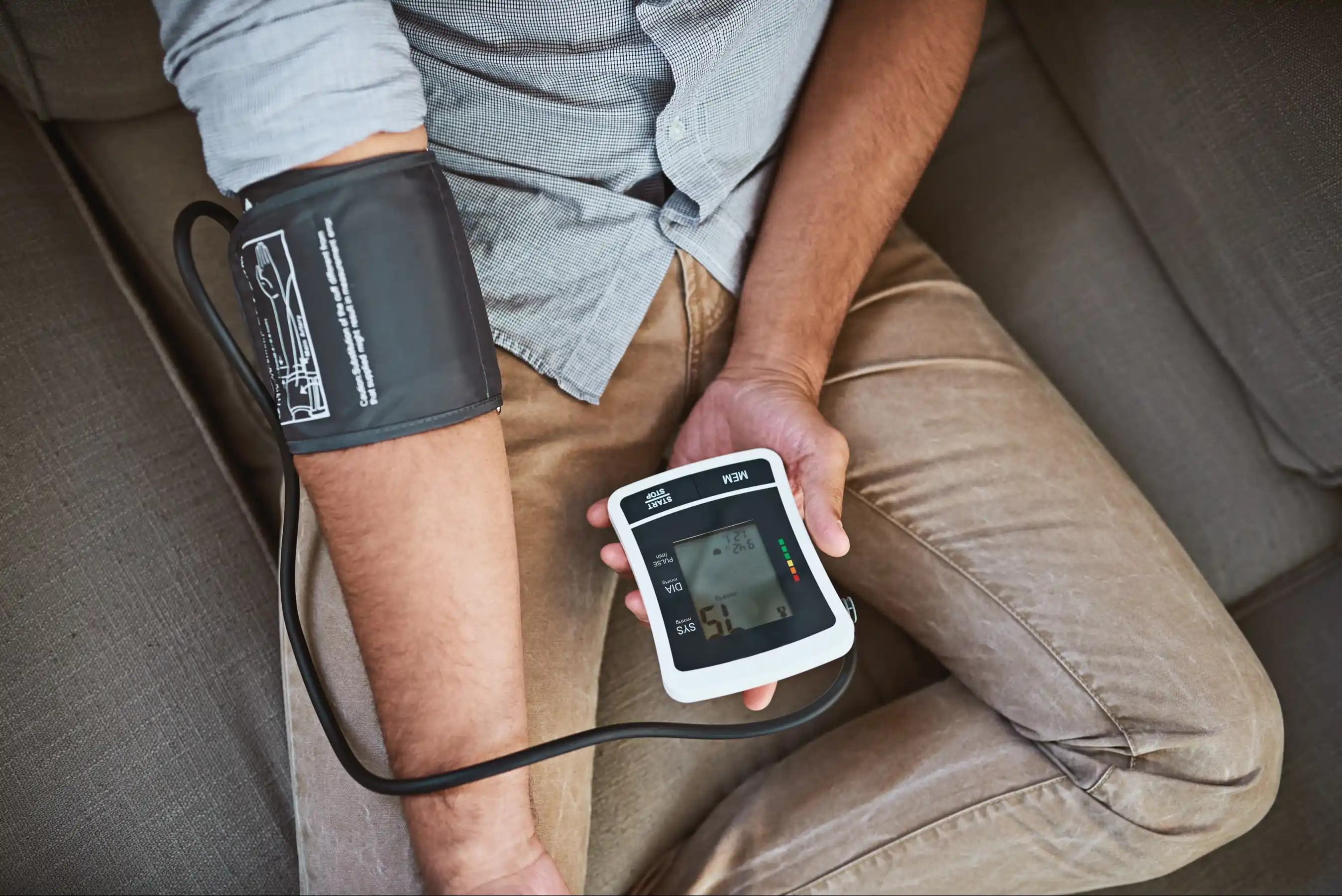
- At-home blood pressure monitoring is now widely recommended for many patients, especially those managing high or borderline readings.
- Annual wellness visits provide a valuable opportunity to track blood pressure trends over time and catch problems early, even when you feel fine.
- Genesis Medical Associates offers primary care, cardiology testing, and lab services across the Pittsburgh area, making it easy to schedule routine blood pressure checks or follow-up monitoring close to home.
Why Blood Pressure Monitoring Matters, Even When You Feel Fine
Blood pressure is one of the most important health numbers you can track. It rarely causes noticeable symptoms until it's already causing damage, which is why high blood pressure is often called the 'silent killer.' According to the American Heart Association, blood pressure is one of the most important screenings because high blood pressure usually has no symptoms and can't be detected without being measured.
The good news is that regular monitoring makes early detection and treatment possible. Below, Genesis Medical Associates walks Pittsburgh-area patients through how often to have blood pressure checked, when to schedule sooner, and how at-home monitoring fits into the bigger picture of preventive care.
General Guidelines for How Often to Check Blood Pressure
How often you should check your blood pressure depends on your current numbers, age, and risk factors. The American Heart Association recommends that adults with normal blood pressure have it measured at least once a year, usually during a routine primary care visit. If your blood pressure is higher, your provider will likely want to check it more often. Genesis also shares its own preventative screening guidelines for patients who want to see which checkups are recommended at each stage of life.
Here is how blood pressure categories are defined, and what checking typically looks like for each:
- Normal (below 120/80 mm Hg): At least once a year.
- Elevated (120 to 129 systolic, less than 80 diastolic): More often than once a year, as your provider recommends.
- Stage 1 hypertension (130 to 139 systolic, or 80 to 89 diastolic): Regular checks, often including home monitoring, while you and your provider work on a plan.
- Stage 2 hypertension (140/90 mm Hg or higher): Frequent checks, usually with home monitoring and closer follow-up with your provider.
- Hypertensive crisis (higher than 180/120 mm Hg): Requires immediate medical attention.
Your provider will set the exact schedule that fits your numbers and health history. Even patients with normal readings benefit from consistent monitoring, because blood pressure can change gradually over time and trends often tell more than any single reading.
Factors That May Call for More Frequent Monitoring
Some patients need more frequent blood pressure checks based on their personal health history and lifestyle. Talk with your provider about a more regular monitoring schedule if you have:
- A family history of high blood pressure or heart disease
- Diabetes or prediabetes
- Chronic kidney disease
- Obesity or a body mass index (BMI) in the higher range
- A history of high cholesterol
- A previous cardiovascular event, such as a heart attack or stroke
- Pregnancy or a history of high blood pressure during pregnancy
- Smoking, heavy alcohol use, or high stress levels
- A sedentary lifestyle or high-sodium diet
- Sleep apnea or other sleep disorders
Blood pressure also tends to rise with age, so your provider may recommend closer attention as you get older.
Blood Pressure Categories at a Glance
| Category | Systolic (Top Number) | Diastolic (Bottom Number) | Typical Monitoring |
|---|---|---|---|
| Normal | Less than 120 | Less than 80 | At least once a year |
| Elevated | 120 to 129 | Less than 80 | More often, as your provider recommends |
| Stage 1 High Blood Pressure | 130 to 139 | 80 to 89 | Regular checks, often with home monitoring |
| Stage 2 High Blood Pressure | 140 or higher | 90 or higher | Frequent checks with close provider follow-up |
| Hypertensive Crisis | Higher than 180 | Higher than 120 | Seek emergency care immediately |
These categories reflect widely used thresholds. Your provider will help interpret your individual readings within the context of your overall health.
The Role of Annual Wellness Visits in Tracking Blood Pressure
Annual wellness exams are one of the most reliable ways to track long-term blood pressure trends. Even if you monitor at home, in-office measurements taken by a trained professional provide an important benchmark and help your provider spot subtle changes over time.
During your annual visit, your primary care team can:
- Measure blood pressure using validated equipment and proper technique
- Compare current readings with previous years
- Discuss any changes in lifestyle, medications, or symptoms
- Recommend additional testing, such as cardiology testing or lab work, if concerns arise
- Provide personalized recommendations for diet, exercise, and stress management
- Coordinate follow-up care with specialists when needed
Even patients who feel healthy benefit from these visits. Blood pressure often rises gradually, and small, consistent increases are easier to address early.
At-Home Monitoring vs. In-Office Readings
Home monitoring has become an important part of blood pressure care. It gives your provider a clearer picture of your everyday numbers between visits, which supports the approach the American Heart Association describes in its 2025 high blood pressure guideline announcement: catching high blood pressure early and treating it with lifestyle changes, plus medication when needed.
Here's how at-home and in-office monitoring compare and complement each other:
At-Home Monitoring
- Provides multiple readings across different times of day
- Reflects your typical, everyday blood pressure
- Helps identify 'white coat hypertension' (higher readings caused by clinical settings)
- Helps detect 'masked hypertension' (normal readings in the office but elevated at home)
- Allows patients to track responses to lifestyle changes or medication
In-Office Monitoring
- Uses validated, professionally maintained equipment
- Includes trained clinical staff to ensure accurate positioning and technique
- Provides a consistent reference point over months and years
- Allows your provider to interpret readings in context of your full medical history
- Enables immediate follow-up if readings are concerning
For many patients, the combination of at-home tracking and annual (or more frequent) in-office measurements provides the most complete picture of blood pressure health.
When to Schedule a Check Sooner Rather Than Later
Certain situations warrant scheduling a blood pressure check right away instead of waiting for your next routine visit. Consider making an appointment with your primary care provider if you experience:
- Consistently high at-home readings (above 130/80 mm Hg)
- Sudden changes in blood pressure patterns
- Symptoms such as dizziness, blurred vision, chest pain, or shortness of breath
- Frequent headaches, especially in the morning
- Unexplained fatigue or weakness
- Any concerning medication side effects
- A recent change in family history, such as a close relative being diagnosed with hypertension
- Life changes that may affect blood pressure, such as pregnancy, new stress, or significant weight changes
If you experience a reading above 180/120 mm Hg accompanied by symptoms like chest pain, shortness of breath, back pain, weakness, or difficulty speaking, seek emergency care immediately.
Book Your Next Blood Pressure Check With Genesis Medical Associates
Knowing your numbers is one of the simplest ways to protect your heart, and a regular check is easy to fit into your yearly routine with a primary care team close to home.
Request an appointment with Genesis Medical Associates for a blood pressure check, annual wellness exam, or follow-up visit at one of their Pittsburgh-area locations.
Frequently Asked Questions
How often should I check my blood pressure?
Adults with normal blood pressure (below 120/80 mm Hg) should have it checked at least once a year. Adults with elevated readings or diagnosed high blood pressure usually need more frequent checks, on a schedule their provider sets based on their numbers and health history.
Where can I get a blood pressure check in Pittsburgh, PA?
Genesis Medical Associates offers blood pressure checks at multiple primary care locations throughout the Pittsburgh area. Patients can schedule a routine visit, annual exam, or follow-up appointment at any convenient office.
What are common blood pressure treatment options?
Blood pressure treatment often includes a combination of lifestyle changes and, when needed, medication. Common lifestyle recommendations include reducing sodium intake, exercising regularly, maintaining a healthy weight, limiting alcohol, and managing stress. Common medications include thiazide diuretics, angiotensin-converting enzyme (ACE) inhibitors, angiotensin receptor blockers (ARBs), and calcium channel blockers, depending on individual needs and other health conditions.
What are the current blood pressure monitoring guidelines?
Current guidelines from the American Heart Association and American College of Cardiology encourage at-home monitoring for patients with elevated or high blood pressure. In-office checks at least once a year remain the baseline recommendation for adults with normal readings.
Should I monitor my blood pressure at home?
Home blood pressure monitoring is increasingly recommended, especially for patients with elevated readings, diagnosed hypertension, or a family history of heart disease. Your primary care provider can recommend a validated device and teach you the proper technique to get reliable readings.
